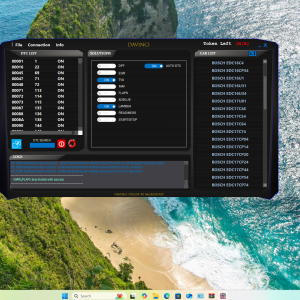
Introduction to Bench Flashing Tools ⚙️
Bench flashing tools are critical for ECU remapping and chip tuning, allowing technicians to modify the software of automotive control units directly. These tools enable precise adjustments to enhance vehicle performance, improve fuel efficiency, and disable emissions systems when necessary.
What is Bench Flashing? 🚀
Bench flashing refers to the process of programming an ECU outside of the vehicle, typically on a workbench. This method is preferred for its accuracy and safety, as it allows full access to the ECU without the risk of vehicle-related issues.
Key Benefits of Bench Flashing 🔧
- ➡️ Enhanced Safety: Reduces risks associated with in-vehicle flashing.
- ➡️ Full ECU Access: Allows for complete software modification.
- ➡️ Time Efficiency: Faster programming compared to in-vehicle methods.
Essential Bench Flashing Tools 🔍
To effectively perform bench flashing, several tools are required:
- ➡️ ECU Programmer: A device that connects to the ECU to read and write data.
- ➡️ Power Supply: Ensures the ECU remains powered during the flashing process.
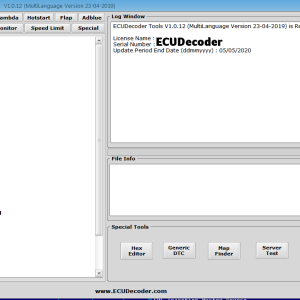
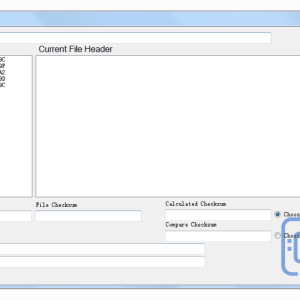
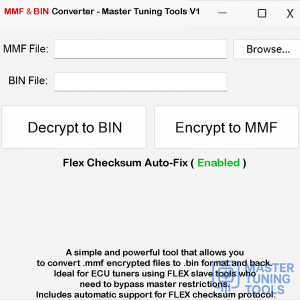
- ➡️ Diagnostic Software: Used to analyze and modify ECU parameters.
- ➡️ Adapter Cables: Facilitate connections between the ECU and the programmer.
Popular ECU Programmers for Bench Flashing ⚙️
Here are some widely used ECU programmers:
- ➡️ MPPS V18: Known for its reliability and wide compatibility.
- ➡️ Galletto 1260: Offers excellent performance for various ECU types.
- ➡️ Kess V2: A versatile tool with a user-friendly interface.
Bench Flashing Process 🔄
The bench flashing process typically involves the following steps:
- ✅ Preparation: Gather all necessary tools and ensure the ECU is securely mounted on the bench.
- ✅ Connection: Use adapter cables to connect the ECU to the programmer.
- ✅ Powering Up: Connect the power supply to the ECU.
- ✅ Reading Data: Use the diagnostic software to read the existing ECU data.
- ✅ Modifying Parameters: Make necessary adjustments to the software.
- ✅ Writing Data: Upload the modified software back to the ECU.
- ✅ Verification: Check for successful writing and perform a diagnostic check.
Considerations for Bench Flashing ❌
While bench flashing offers numerous advantages, there are important considerations:
- ❌ Warranty Issues: Modifying ECU software can void manufacturer warranties.
- ❌ Legal Compliance: Ensure modifications comply with local emissions regulations.
- ❌ Technical Expertise: Requires a good understanding of ECU programming and automotive systems.
Conclusion ✅
Bench flashing tools are indispensable for automotive professionals looking to enhance vehicle performance through ECU tuning. By understanding the tools and processes involved, technicians can achieve significant improvements in vehicle dynamics and efficiency. Always stay informed about the latest tools and techniques to maintain a competitive edge in the industry.