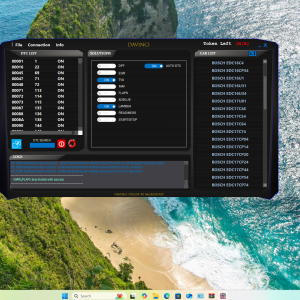
CAN Bus Communication in Automotive Tuning: Understanding the Backbone of ECU Interaction ⚙️🚗
in ECU Tuning on October 26, 2025CAN Bus Communication in Automotive Tuning: Understanding the Backbone of ECU Interaction ⚙️🚗
The Controller Area Network (CAN) bus is an essential communication protocol in modern vehicles, enabling various electronic control units (ECUs) to interact seamlessly. In the realm of ECU remapping and tuning, understanding CAN bus communication is vital for optimizing performance and ensuring reliable diagnostics.
What is CAN Bus? 🔧
The CAN bus is a robust vehicle bus standard designed to facilitate communication among microcontrollers and devices without a host computer. It was originally developed for automotive applications but has since found use in various industrial automation systems.
Key Features of CAN Bus Communication 🚀
- ➡️ Multi-Master Configuration: Any node can transmit data, allowing for flexible communication.
- ➡️ High Reliability: Built-in error detection and correction mechanisms enhance reliability.
- ➡️ Real-Time Data Transmission: Ideal for time-critical applications, such as engine management.
Importance of CAN Bus in ECU Tuning 🔍
For mechanics and tuners, CAN bus communication is crucial in the following ways:
- ➡️ Data Access: Enables real-time access to ECU data for diagnostics and performance tuning.
- ➡️ Remapping Capabilities: Allows for adjustments to fuel maps, ignition timing, and other parameters directly through the CAN interface.
- ➡️ Integration with Diagnostic Tools: Tools like KESS3, FLEX, and CMDFlash utilize CAN bus to read and write ECU data efficiently.
Real-World Applications of CAN Bus in Tuning 🛠️
Mechanics and professional tuners can leverage CAN bus communication for:
- ➡️ ECU Remapping: Adjusting parameters to enhance performance, fuel efficiency, or emissions compliance.
- ➡️ Fault Diagnostics: Reading error codes and live data streams to troubleshoot issues effectively.
- ➡️ Custom Tuning Solutions: Creating tailored maps for specific performance upgrades.
Challenges and Considerations ❌
While CAN bus communication offers numerous benefits, there are challenges to be aware of:
- ➡️ Complexity: Understanding the intricacies of CAN protocols can be daunting for newcomers.
- ➡️ Compatibility Issues: Not all ECUs support the same CAN protocols, which can limit tuning options.
- ➡️ Security Risks: Unauthorized access to the CAN network can lead to vulnerabilities.
Conclusion and Next Steps ✅
Understanding CAN bus communication is fundamental for anyone involved in ECU tuning and automotive performance optimization. By mastering this protocol, mechanics and tuners can unlock the full potential of modern vehicles.
Explore advanced tuning tools like KESS3, FLEX, and CMDFlash on mastertuningtools.com to enhance your tuning capabilities and improve vehicle performance.