Master vs Slave Tool in ECU Tuning: Understanding the Differences ⚙️🔧
in ECU Tuning on October 28, 2025Master vs Slave Tool in ECU Tuning: Understanding the Differences ⚙️🔧
In the world of ECU remapping and chip tuning, understanding the differences between Master and Slave tools is essential for professional tuners and automotive technicians. This article provides a detailed comparison of these tools, highlighting their functionalities, advantages, and ideal use cases.
What Are Master and Slave Tools? 🚀
Master and Slave tools are types of software and hardware used in the ECU tuning process. They serve different purposes and are designed for specific user needs:
- Master Tool: A Master tool allows users to read and write data to the ECU directly. It gives full access to the ECU’s mapping and is typically used by professional tuners.
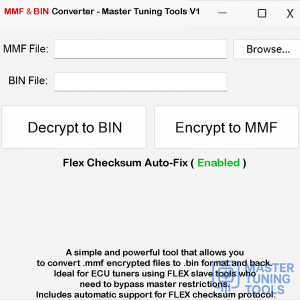
- Slave Tool: A Slave tool is dependent on a Master tool to function. It allows users to perform limited operations, primarily reading data and writing pre-defined maps provided by the Master tool.
Key Features of Master and Slave Tools 🔧
Understanding the features of both tools can help you choose the right one for your tuning needs:
Master Tool Features:
- ➡️ Full access to ECU maps
- ➡️ Ability to create custom maps and modifications
- ➡️ Direct communication with the ECU
- ➡️ Supports a wide range of vehicles and protocols
- ➡️ Examples: KESS3, FLEX, CMDFlash
Slave Tool Features:
- ➡️ Limited access to ECU data
- ➡️ Requires a Master tool for full functionality
- ➡️ Can only write pre-defined maps
- ➡️ Ideal for workshops with a Master tool operator
- ➡️ Example: Autotuner (when used as a Slave)
Choosing the Right Tool for Your Needs ✅
When deciding between Master and Slave tools, consider the following factors:
- ✅ Expertise Level: If you are a professional tuner, a Master tool is essential for custom tuning.
- ✅ Workshop Setup: If you work in a team with a Master tool operator, a Slave tool can be sufficient.
- ✅ Budget: Master tools typically have a higher initial cost but offer more capabilities.
Real-World Applications 🚗
Master tools are widely used in various tuning applications, such as:
- ➡️ Stage 1–3 remapping for performance upgrades
- ➡️ DPF/EGR/AdBlue removal for enhanced vehicle efficiency
- ➡️ Custom tuning for specific vehicle modifications
In contrast, Slave tools are often used in workshops that focus on routine tuning and diagnostics, where the Master tool operator handles advanced tuning tasks.
Conclusion: Maximizing Your Tuning Potential 🛠️
Understanding the differences between Master and Slave tools is crucial for optimizing your ECU tuning process. Whether you’re a professional tuner or a workshop technician, selecting the right tool can significantly impact your tuning capabilities and efficiency.
Explore the range of tuning tools available at mastertuningtools.com to find the perfect solution for your needs.