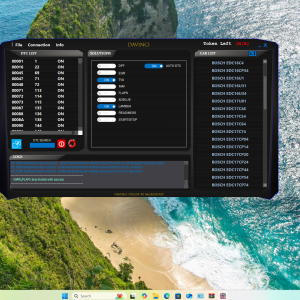
Offline Mode Tuning: Enhancing ECU Performance 🚗🔧
In the world of automotive performance, offline mode tuning has gained traction among professional tuners and workshop technicians. This article delves into the specifics of offline mode tuning, its benefits, and practical applications in ECU remapping.
What is Offline Mode Tuning? ⚙️
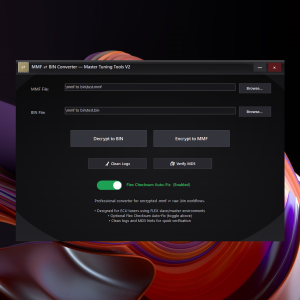
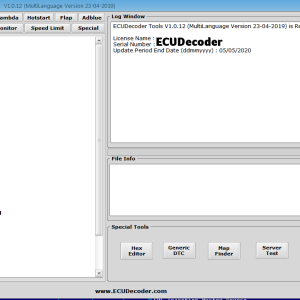
Offline mode tuning refers to the process of modifying the ECU’s software without the need for a live connection to the vehicle. This method allows tuners to make adjustments, analyze data, and optimize performance in a controlled environment.
Key Benefits of Offline Mode Tuning 🔧
- ➡️ Flexibility: Allows tuners to work on multiple vehicles without being limited by time constraints.
- ➡️ Safety: Reduces the risk of errors during live tuning, as adjustments can be thoroughly tested before implementation.
- ➡️ Enhanced Analysis: Facilitates deeper analysis of the ECU maps and parameters without the distraction of real-time data.
Popular Tools for Offline Mode Tuning 🛠️
Several tools are available for effective offline mode tuning. Here are some of the most popular:
- ➡️ KESS3: A versatile tool that supports a wide range of vehicles and allows for easy ECU reading and writing.
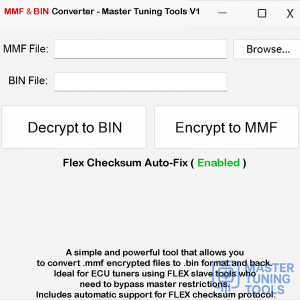
- ➡️ FLEX: Known for its extensive protocol coverage, FLEX enables tuners to perform offline tuning efficiently.
- ➡️ CMDFlash: This tool provides advanced features for ECU remapping, including offline tuning capabilities.
Steps for Effective Offline Mode Tuning 🚀
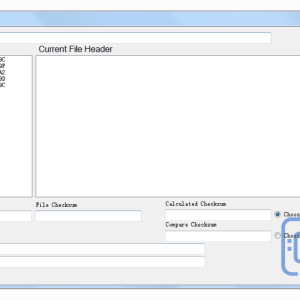
- ➡️ Backup the Original File: Always start by creating a backup of the original ECU file to prevent data loss.
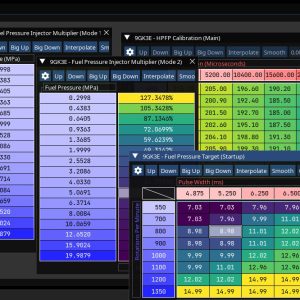
- ➡️ Analyze the ECU Map: Use tuning software to analyze the maps and identify areas for improvement.
- ➡️ Make Adjustments: Modify parameters as necessary to enhance performance, fuel efficiency, or responsiveness.
- ➡️ Save and Test: Save the modified file and conduct tests to ensure that the changes yield the desired results.
Challenges and Considerations ❌
While offline mode tuning offers numerous advantages, there are challenges to consider:
- ➡️ Data Integrity: Ensure that the modified files are free from errors to avoid potential ECU malfunctions.
- ➡️ Compatibility Issues: Not all ECUs support offline tuning; verify compatibility before proceeding.
- ➡️ Legal Implications: Be aware of local regulations regarding ECU modifications to avoid legal issues.
In conclusion, offline mode tuning is a valuable approach for ECU remapping and performance enhancement. By utilizing the right tools and following best practices, tuners can achieve optimal results while minimizing risks. Explore more about tuning tools and services on mastertuningtools.com to elevate your tuning expertise.